Why CPVC Pipe Cracks: A Guide for Lake Forest Homeowners
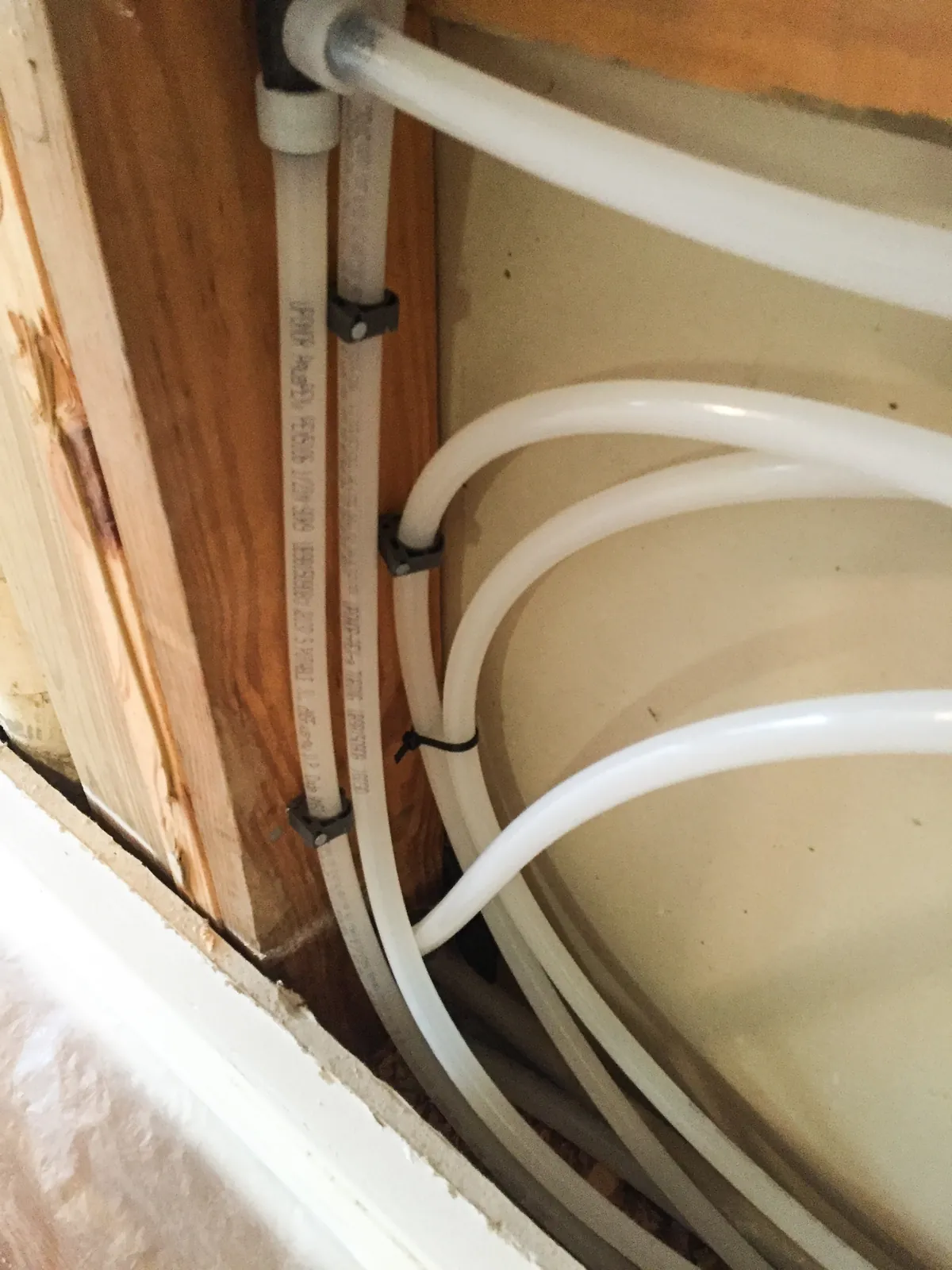
CPVC water lines can turn brittle with age and heat. Here is how to recognize CPVC, why it cracks and when Lake Forest owners should consider replacing it.
CPVC is a rigid, cream or tan plastic pipe used for hot and cold water lines. It is light, it does not rust and it was easy to install, so it found its way into some homes and many repairs. As it ages, though, CPVC can become brittle and crack. This guide explains Lake Forest CPVC pipe concerns, how to identify the material, and when CPVC pipe in Lake Forest homes may be due for replacement.
What CPVC is
CPVC stands for chlorinated polyvinyl chloride. It is related to the white PVC used for drains and irrigation, but it is made to handle higher water temperatures, which is why it can be used on hot water lines. CPVC pipe is joined with solvent cement, so the joints are glued rather than soldered or threaded. It is usually printed along its side with the size, the material and a standard number.
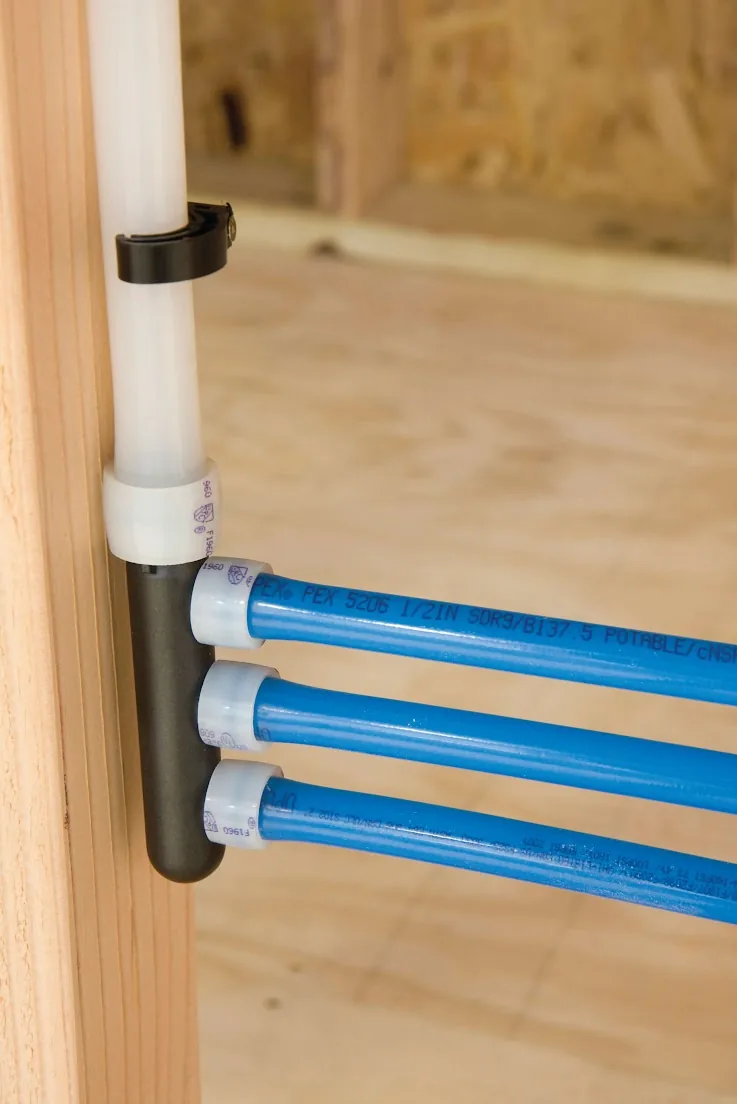
Why CPVC cracks
Several things can make CPVC brittle over time:
- Years of exposure to hot water, especially near the water heater.
- Contact with incompatible chemicals, such as certain caulks, foams, insecticides or cable coatings.
- Stress from pipes that were bent, pulled tight or strapped too firmly.
- Movement from water hammer or from pipes that are not well supported.
Brittle CPVC can look fine until it is disturbed. A plumber working on one fitting may find that the pipe nearby snaps with very little force.
Signs to watch for
- Hairline cracks or leaks at glued fittings.
- Pipe that has yellowed or darkened, especially near the water heater.
- Leaks that appear after someone works under a sink or in the attic.
- A home that has already had several CPVC repairs.
Repair or replace?
A single cracked fitting can sometimes be repaired, but if the pipe is already brittle, each repair risks breaking the next section. When CPVC fails in several places, or when the pipe near the water heater is discolored and fragile, many owners decide a planned repipe is safer than waiting for the next break. A plumber can check how flexible the pipe still is at a few exposed points before you decide.
CPVC pipe in Lake Forest: local homes
Lake Forest includes older tracts around the lakes and El Toro Road from the 1970s and 1980s, along with Foothill Ranch and Portola Hills, which were built mostly in the 1990s and later. Most homes in the area were built with copper water lines, but Lake Forest CPVC pipe does turn up in some homes, often in sections added during repairs, remodels or additions. Many neighborhoods have homeowner associations, so check rules on work hours and parking. Repipe permits go through the City of Lake Forest, and the city is served by Irvine Ranch Water District and El Toro Water District.
How to check your home
Look at the pipes above the water heater, under sinks and in the garage. Cream or tan rigid plastic with glued joints is likely CPVC. Note any discoloration and where the pipe connects to other materials, since those transitions are common leak points.
Transitions to other materials
CPVC often meets copper, galvanized or PEX at the water heater, at the main line or where a past repair was made. Each transition uses an adapter, and those joints are common leak points as the materials expand and contract at different rates with temperature. Look closely at these spots for drips, white mineral trails or discoloration.
Handling brittle pipe with care
If you suspect your CPVC is brittle, avoid pulling or bending exposed pipe when you move appliances or store items under sinks. Know where the main shutoff is and make sure it turns. When a plumber is working nearby, ask them to check how the pipe responds before they cut or flex it, so a small job does not turn into a bigger one.
A quick wrap-up
CPVC works well when it is young and properly installed, but age and heat can make it fragile. Knowing how to spot Lake Forest CPVC pipe, and watching CPVC pipe in Lake Forest homes for cracking and discoloration, helps you plan a replacement before a small crack turns into water damage.
Quick takeaways
- CPVC is a rigid cream or tan plastic with glued joints.
- Heat, chemicals and stress can make it brittle.
- Brittle pipe can break when nearby work disturbs it.
- Repeated CPVC failures are a reason to consider a repipe.
Related reading
On this site, see PEX vs copper and signs you need a repipe. Neighbors can visit Irvine, Laguna Hills and Mission Viejo, or browse every city at repipeinc.com.
Questions about CPVC pipe in Lake Forest?
Request a free quote and talk with a licensed C-36 plumbing contractor about your home. Get my free quote. Our AI system alerts a technician instantly, so you get a fast callback.
Repipe OC, 23821 Hillhurst Drive, Laguna Niguel, CA 92677, (949) 524-2362, CSLB #1087885 C-36.
Repipe OC near you
Not in Lake Forest? The same crew serves nearby cities. See every city we serve, or jump to a neighboring city:
 Written by Repipe OC · CSLB #1087885 C-36 · 23821 Hillhurst Drive, Laguna Niguel, CA 92677 · (949) 524-2362