How to Test Water for Lead: A Practical Guide for Lake Forest Homeowners
Lead in tap water usually comes from plumbing inside or near the home, not the source water. Here is how Lake Forest homeowners can test, read results and decide what…
Lead cannot be seen, smelled or tasted in water, so the only way to know is to test. Lake Forest lead testing is a reasonable step for many households, especially in older homes or homes with original fixtures. Here is how lead testing in Lake Forest homes works, what the results mean and what to do with them.
Where lead in tap water comes from
Water utilities are required to treat and monitor water, and source water is rarely the issue. Lead usually enters water from plumbing materials it touches on the way to your tap:
- Lead solder used on copper pipes before it was banned for drinking water in 1986.
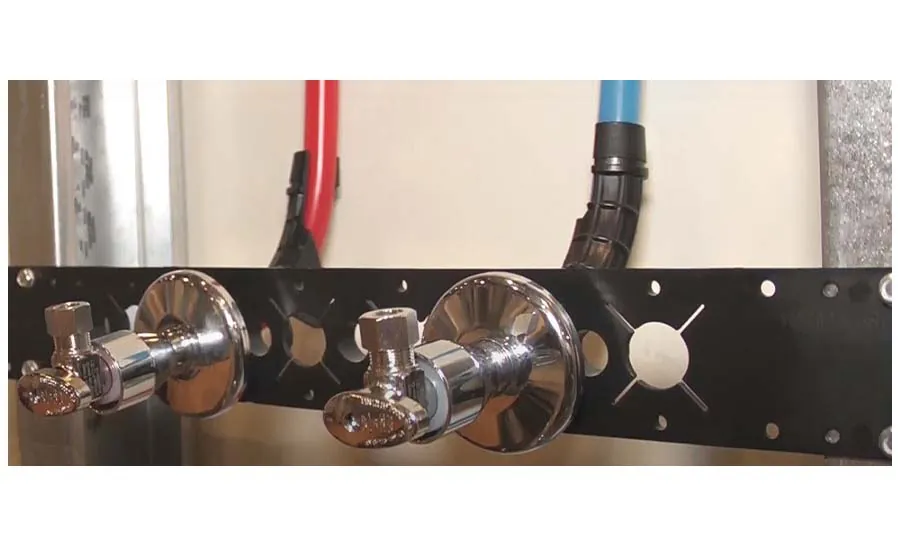
- Older brass faucets, valves and fittings that contained more lead than today's standards allow.
- Galvanized pipe that collected lead over time.
- Lead service lines, which are uncommon in Southern California but still worth confirming.
Water that sits in pipes for hours can pick up more lead than water that has been flowing.
Reducing exposure while you wait for results
Lab results can take a week or more, so a few simple habits help in the meantime. Run the cold tap for a short time after water has been sitting, such as first thing in the morning or after work, until it feels noticeably colder. That flushes standing water from the line nearest the faucet. Use cold water for drinking, cooking and baby formula, because hot water can pull more metal from plumbing. Clean faucet aerators regularly, since small particles can collect in the screen.
Boiling water does not remove lead and can concentrate it, so it is not a fix. Pitcher and faucet-mounted filters can help if they are certified for lead reduction; check the packaging for the certification standard and replace cartridges on schedule.
Keep in mind that one test captures one moment. Lead levels can vary over time and between taps, so testing more than one faucet, or testing again after a few months, gives a clearer picture. If anyone in the home is pregnant or there are young children, talk with your doctor about whether blood testing makes sense alongside water testing.
Testing options
- Home test kits: inexpensive and quick, but many only show whether lead is above a certain level. Useful for screening.
- Certified laboratory testing: you collect samples in bottles from the lab and send them back. This gives a measured result. In California, look for a lab accredited by the state's Environmental Laboratory Accreditation Program.
- Your water provider: some utilities offer testing or can point you to resources. Your annual water quality report also explains how lead is monitored.
How to collect a good sample
Follow the lab's instructions exactly. Many labs ask for a first-draw sample: water that has sat unused in the pipes for at least six hours, collected first thing in the morning from a kitchen or bathroom tap used for drinking. Do not run the water before collecting. Some labs also ask for a second sample after flushing, which helps show whether lead is coming from the fixture or from pipes farther back.
Reading the results
Results are usually reported in parts per billion. The EPA has long used 15 ppb as the action level for water systems, but it also states there is no known safe level of lead exposure, particularly for children and pregnant people. Any detectable lead is worth discussing with your doctor if you have concerns, and with a plumbing professional if you suspect the source is in the home.
Lake Forest lead testing and local housing
Lake Forest has homes from several eras. Older El Toro-area neighborhoods and the original Lake Forest communities around the lakes date from the 1960s and 1970s, when copper with lead solder was common. Foothill Ranch and Portola Hills were built mostly in the 1990s and later. Homes built before the late 1980s, or homes with original faucets and valves, are the ones where lead testing in Lake Forest is most often recommended.
If lead is found
- Use only cold water for drinking and cooking, and run the tap before use after water has been sitting.
- Consider a filter certified to reduce lead.
- Replace old faucets and valves with lead-free fixtures.
- Retest after changes to see if levels drop.
If testing points to the piping itself, share your results with a licensed contractor so the source can be identified. Keeping a copy of your Lake Forest lead testing results helps track changes over time.
Quick takeaways
- Lead usually comes from home plumbing, not the source water.
- Use a state-accredited lab for measured results.
- Collect a first-draw sample after water sits six hours.
- Older solder, brass and galvanized pipe are common sources.
Related reading
On this site, see CPVC pipe replacement and plumbing in 1980s homes. Neighbors can visit Irvine, Laguna Hills and Mission Viejo, or browse every city at repipeinc.com.
Planning Lake Forest lead testing?
Request a free quote and talk with a licensed C-36 plumbing contractor about the pipes and fixtures in your home. Get my free quote. Our AI system alerts a technician instantly, so you get a fast callback.
Repipe OC, 23821 Hillhurst Drive, Laguna Niguel, CA 92677, (949) 524-2362, CSLB #1087885 C-36.
Repipe OC near you
Not in Lake Forest? The same crew serves nearby cities. See the Repipe OC hub (repipeinc.com), or jump to a neighboring city:
 Written by Repipe OC · CSLB #1087885 C-36 · 23821 Hillhurst Drive, Laguna Niguel, CA 92677 · (949) 524-2362